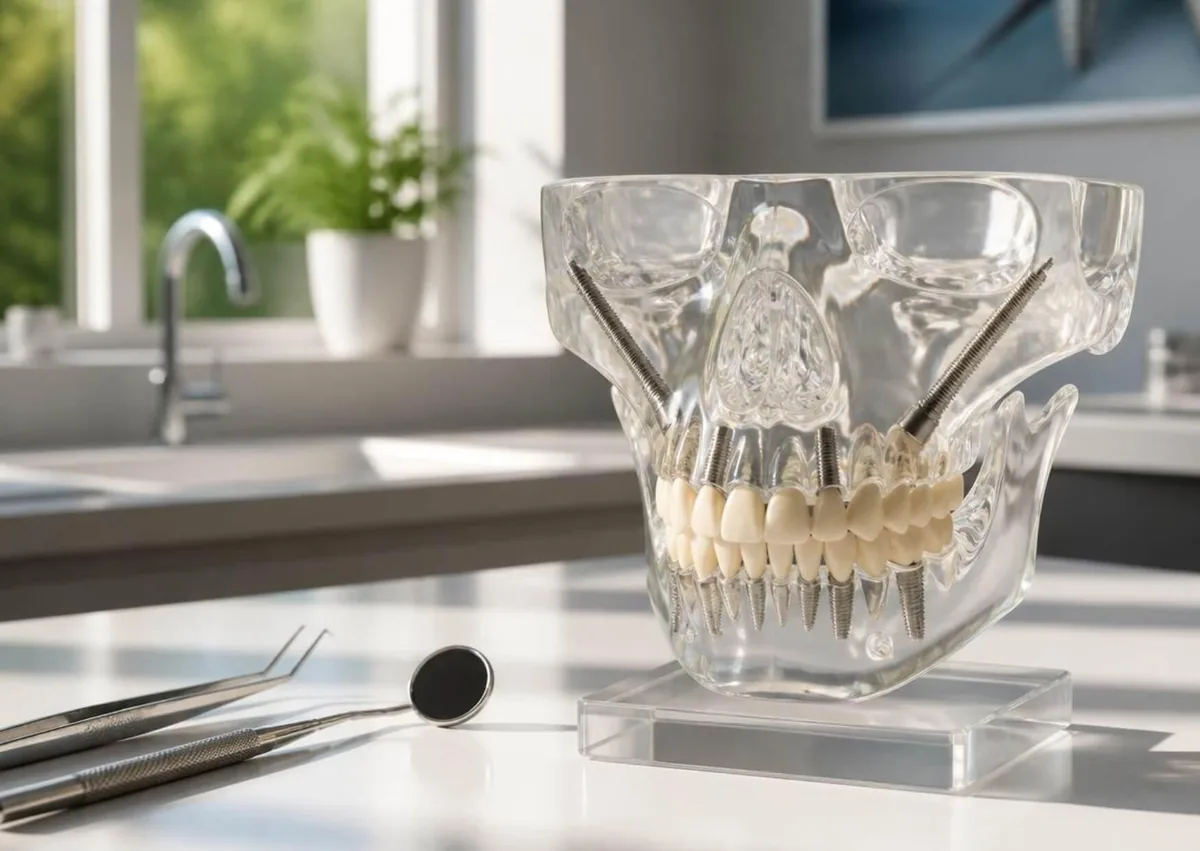
Zygomatic dental implants may help restore a fixed upper arch when severe upper-jaw bone loss makes conventional implants difficult or impossible. They are longer implants anchored in the cheekbone, and they are usually considered only after a detailed evaluation by a surgical team with specific training in this procedure.
If you're facing severe upper-jaw bone loss and weighing complex options for a fixed arch, learning about dental implants can clarify whether a zygomatic approach or a less invasive alternative is appropriate. Elmtree Family Dental in Columbia, SC explains implant pathways, risks, and practical recovery expectations so you can make an informed choice.
Conventional dental implants are usually placed into the jawbone. Zygomatic dental implants are longer implants that engage the zygoma, or cheekbone, when there is not enough healthy bone in the upper jaw.
They are most often used to support a full-arch restoration, not to replace a single missing tooth. Depending on the anatomy, they may be combined with conventional implants in the front of the upper jaw or used on both sides to support a fixed prosthetic arch.
This is a complex surgical treatment, not a routine substitute for standard implants. A specialist must decide whether the benefits outweigh the surgical demands and long-term maintenance needs.
Zygomatic dental implants are usually considered for people with extensive upper-jaw bone loss. This may happen after years of missing teeth, advanced periodontal disease, failed grafting, or previous implant failure.
Some patients with trauma, tumor treatment, or congenital conditions may also be candidates. These cases often need multidisciplinary planning.
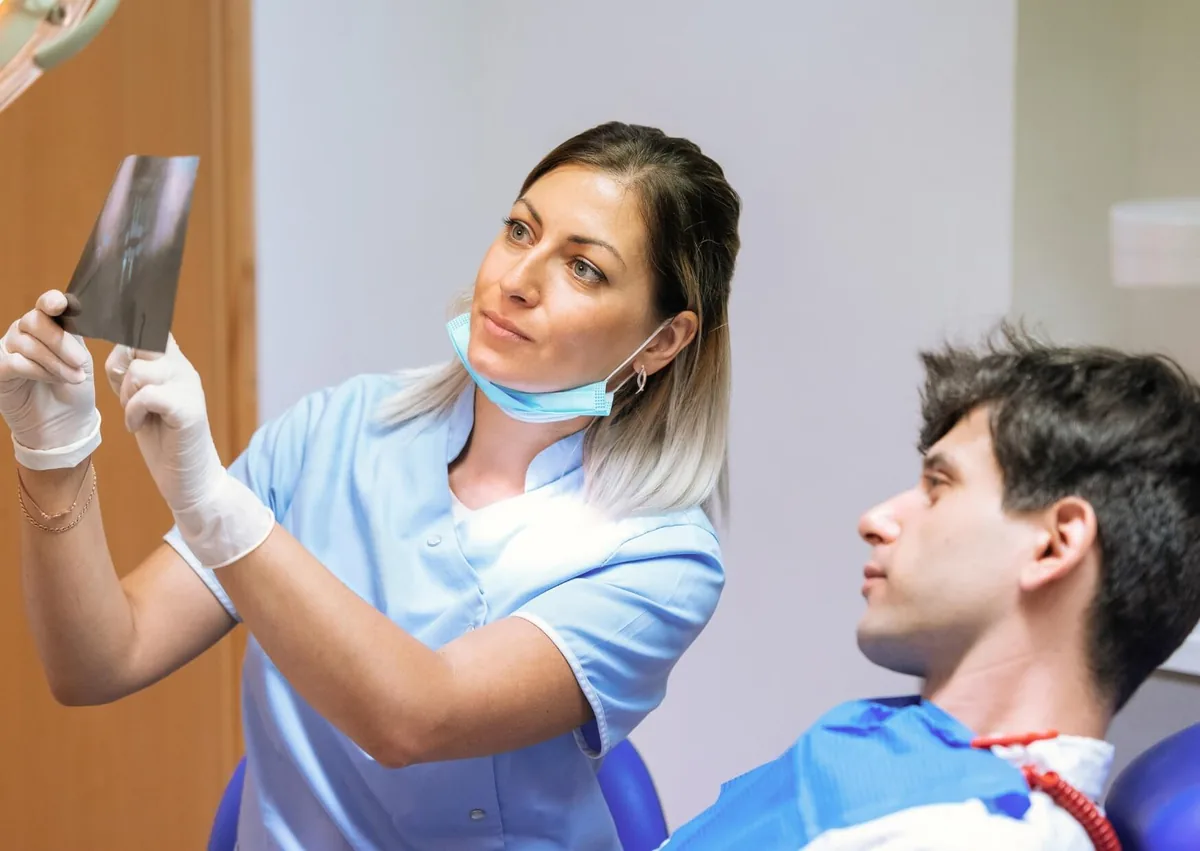
A full evaluation usually includes a clinical exam and a three-dimensional cone-beam CT scan. The team checks the cheekbones, remaining jawbone, sinuses, bite, nerve pathways, and the space available for replacement teeth.
They also review medical conditions, medications, smoking or nicotine use, oral hygiene, and whether the patient can keep follow-up visits. Adequate cheekbone anatomy alone does not guarantee candidacy.
Active oral infection, uncontrolled medical disease, untreated sinus problems, or poor ability to maintain the restoration may need to be addressed first. In some cases, another treatment may be safer and more predictable.
For some patients, zygomatic dental implants can avoid major bone grafting and shorten the path to a fixed upper arch. For others, a less invasive or more conventional option may be the better choice.
Possible alternatives include All-on-4, conventional implants after grafting, conventional implants without grafting, or a removable denture.
|
Option |
Typical Use |
Main Consideration |
|---|---|---|
|
Zygomatic implants |
Severe upper-jaw bone loss |
Complex surgery using cheekbone anchorage |
|
Bone grafting plus conventional implants |
Insufficient bone that can be rebuilt |
Often requires healing before implant placement |
|
Conventional implants without grafting |
Adequate healthy jawbone |
Usually a more straightforward implant pathway |
|
Removable complete denture |
Full-arch tooth replacement without implants |
Removable and may offer less stability |
The best choice depends on more than speed. Surgical risk, function, maintenance, anesthesia needs, cost of dental implants, anatomy, and long-term follow-up all matter.
Treatment planning may involve an oral and maxillofacial surgeon or another appropriately trained implant surgeon, along with a restorative dentist or prosthodontist. Some patients also need evaluation by an ear, nose, and throat specialist.
Existing teeth may need treatment or removal before surgery. In some cases, this includes tooth extractions, especially if teeth are infected, unstable, or interfere with the final plan.
The procedure is usually performed with local anesthesia plus an appropriate form of IV sedation or general anesthesia, depending on the setting and the patient's needs. In selected cases, a temporary fixed arch may be attached soon after surgery.
However, immediate teeth are not the same as fully healed implants. The temporary restoration still needs protection while the implants integrate.
Early recovery may include swelling, bruising, soreness, nasal stuffiness, and a soft-food diet. Healing time and the timing of the final prosthesis vary, so patients should follow the treating team's instructions rather than assume a standard timeline.
Possible complications include infection, sinusitis, implant loosening or failure, gum recession, speech changes, bite problems, and mechanical issues such as loosening or fracture of prosthetic components. Less common but serious complications can involve nearby nerves, the eye socket, or other facial structures.
Long-term success depends on more than whether the implants integrate. The health, fit, and function of the full restoration also matter.
Published long-term outcomes emphasize the need for regular maintenance and follow-up. Daily cleaning around and beneath the prosthesis, professional maintenance visits, and periodic imaging or exams may help catch inflammation, wear, or component problems early.
Smoking and other nicotine use can impair healing and raise complication risk. Teeth grinding may also overload the restoration, so the dental team may recommend protective strategies based on the bite and prosthesis design.
Zygomatic dental implants can be life-changing for the right patient, but they are not a shortcut or a simple version of implant treatment. Patients should expect detailed planning, a more involved surgery, and long-term maintenance.
Call the dental or surgical team promptly for worsening pain or swelling, persistent bleeding, fever, pus, a bad taste, or new movement in the implant or bridge. Symptoms that improve and then return also need attention.
New or ongoing sinus pressure, one-sided nasal drainage, or fluid passing between the mouth and nose should also be evaluated. These symptoms may point to a sinus-related complication.
Seek urgent medical care for trouble breathing or swallowing, rapidly spreading facial swelling, uncontrolled bleeding, confusion, vision changes, or swelling around the eye. These symptoms should not wait for a routine follow-up.
Anyone considering implant treatment should have an in-person assessment with a clinician experienced in zygomatic implant surgery and full-arch restorative planning. A good consultation should explain alternatives, likely treatment stages, maintenance needs, major risks, and who will manage complications and long-term care.
To determine whether zygomatic implants, All-on-4, or another implant pathway fits your needs, arrange a clinical evaluation that includes imaging and restorative planning. Elmtree Family Dental focuses on dental implants in Columbia, SC and nearby Forest Acres; call (803) 783-9900 or book an appointment to discuss options.
Anesthesia is used during surgery, so pain should be controlled during the procedure. Soreness, swelling, and bruising are common afterward, but severe, persistent, or worsening pain should be reported to the treating team.
They can function for many years, but no implant has a guaranteed lifespan. Longevity depends on healing, implant position, general health, hygiene, bite forces, prosthesis maintenance, and regular professional monitoring.
They are often considered specifically to avoid major upper-jaw grafting because they anchor in the cheekbone. However, limited grafting or additional procedures may still be recommended depending on the anatomy and restorative plan.
A fixed temporary arch may be possible on the day of surgery or soon afterward when initial implant stability and other clinical factors are favorable. The final restoration is usually provided after healing, and immediate loading is not appropriate in every case.
Coverage varies by dental or medical plan, diagnosis, and required procedures. Patients should request a written treatment plan and verify benefits, exclusions, anesthesia coverage, and estimated out-of-pocket costs directly with the insurer.
| Monday | 8:00 AM – 5:00 PM |
| Tuesday | 8:00 AM – 5:00 PM |
| Wednesday | 8:00 AM – 5:00 PM |
| Thursday | 8:00 AM – 5:00 PM |
| Friday | Closed |
| Saturday | Closed |
| Sunday | Closed |